
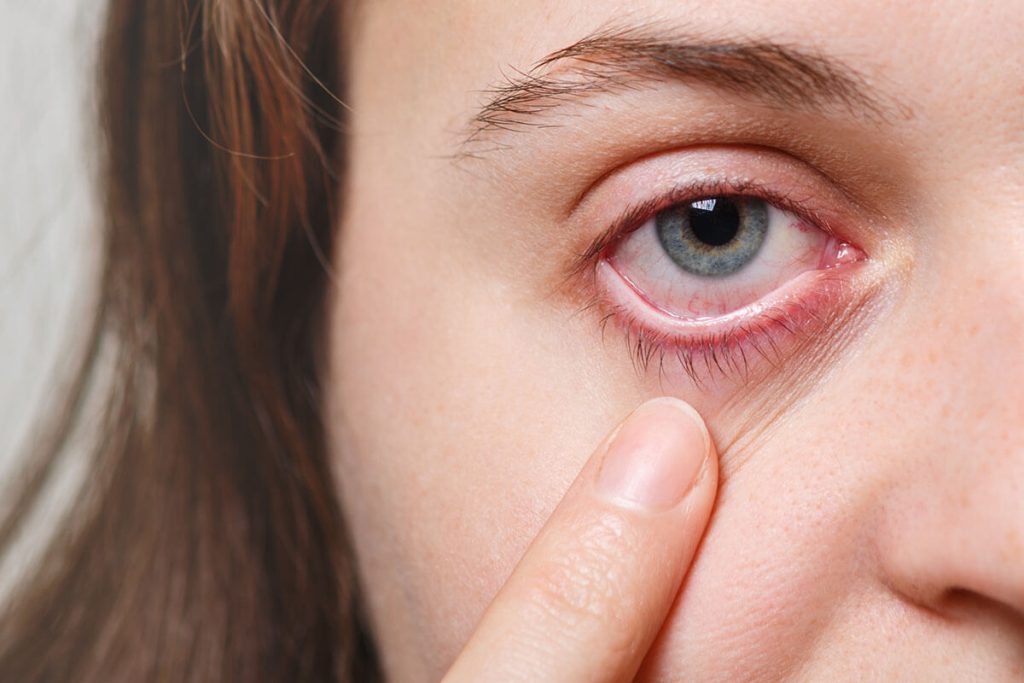
Uveitis, a severe eye condition characterized by inflammation, is also known as iridocyclitis. Accurate diagnosis and effective treatment are essential for managing this eye disease. This article will elucidate the nature of uveitis, its various types, as well as the symptoms and methods employed for treatment.
Unveiling Uveitis
Uveitis, characterized by inflammation within the eye, manifests in three distinct types—namely, anterior, intermediate, and posterior uveitis—each contingent on the specific region affected. Furthermore, the condition is categorized into acute uveitis for newly emerging cases and chronic uveitis for prolonged or frequently recurrent instances.
Anterior Uveitis:Characterized by inflammation within the iris tissue, specifically the pupil, anterior uveitis is identified by its focal point in this area.
Intermediate Uveitis: Inflammation that develops within the ciliary body, situated just behind the iris tissue, is termed intermediate uveitis.
Posterior Uveitis: When uveitis affects the choroid tissue located beyond the ciliary body, it is categorized as posterior uveitis.
Uveitis Attacks: Understanding the Onset
Uveitis, marked by periodic attacks, exhibits varied manifestations depending on the specific type afflicting an individual.
Exploring the Causes of Uveitis: A Dual Perspective
Uveitis is attributed to two main categories of causes: infectious and non-infectious. In cases of non-infectious uveitis, the specific origin remains elusive, often positioning the disorder as an autoimmune affliction exclusive to the eyes. This condition may be associated with autoimmune diseases like Behçet’s disease, ankylosing spondylitis, sarcoidosis, systemic lupus erythematosus, or Crohn’s disease.
Conversely, infectious uveitis can arise subsequent to infections such as toxoplasmosis, cat scratch disease, herpes zoster virus, syphilis, or tuberculosis. Additionally, uveitis may uncommonly emerge as a side effect of medication, post-eye injury or surgery, and in conjunction with ocular cancers such as lymphoma. Understanding the diverse origins of uveitis is pivotal for accurate diagnosis and tailored treatment strategies.
Recognizing Uveitis: Symptoms during an Attack
During a uveitis episode, individuals may experience a range of symptoms, including:
- Eye Pain: Sensations of discomfort or pain in the affected eye.
- Redness: Noticeable redness in one or both eyes.
- Light Sensitivity: Heightened sensitivity to light, known as photophobia.
- Floaters: Dark spots or specks drifting in the field of vision.
- Decreased Vision or Loss of Vision: Vision may become blurred, hazy, or, in severe cases, lead to a partial or complete loss of vision.
Being vigilant about these symptoms is crucial for timely medical intervention and effective management of uveitis.
Diagnosing Uveitis: Insight into Diagnostic Methods
Uveitis diagnosis involves a comprehensive eye examination, where meticulous scrutiny of ocular structures is conducted. In addition to this, various imaging tests, including blood tests, computed tomography (CT), and magnetic resonance imaging (MRI), may be prescribed to discern underlying factors contributing to the condition. These diagnostic measures collectively contribute to a thorough understanding of uveitis, facilitating targeted and effective treatment strategies.
Uveitis Treatment: Tailoring Solutions to Diverse Causes
Given the diverse causes of uveitis, the approach to treatment is multifaceted. Identification of the specific factor triggering uveitis guides the selection of an appropriate treatment strategy. Once the underlying cause is pinpointed, targeted interventions are applied to address and alleviate the root cause, ensuring a more effective and personalized therapeutic outcome.
Frequently Asked Questions About Uveitis
Explore common queries about uveitis below:
Is There a Herbal Treatment for Uveitis?
No, there is currently no herbal treatment specifically recognized for uveitis.
What are Beneficial Foods for Uveitis?
Recent studies suggest potential benefits for individuals with autoimmune uveitis by incorporating kefir, homemade yogurt, or direct probiotics rich in probiotic content into their diet. While not a definitive prescription, this nutritional approach has shown promise in certain autoimmune disorders. It is advisable to consult with a healthcare professional for personalized dietary recommendations tailored to individual health conditions.

What Is Optogenetics? New Hope in the Treatment of Vision Loss
I consider the awarding of the 2026 Nobel Prize in Physiology or Medicine for work [...]
Devamını OkuyunOct
Can Your Eyes Improve If You Stop Wearing Glasses?
Sometimes patients or parents ask the following question: “Can the eyes improve if someone stops [...]
Devamını OkuyunOct
When Are Flashes of Light in the Eye Dangerous?
Sudden bright lights in the eye, short flashes similar to lightning, or a sudden sensation [...]
Devamını OkuyunSep
What Causes Computer-Related Eye Strain?
Complaints of eye strain have increased noticeably as computers and other digital screens have become [...]
Devamını OkuyunAug
What Causes Straight Lines to Look Wavy?
Straight lines may sometimes no longer appear straight to the eye. If door frames, window [...]
Devamını OkuyunAug
What Is Smartphone Blindness? Can It Cause Temporary Vision Loss?
Have you ever noticed short-term vision loss in one eye after looking at your phone [...]
Devamını OkuyunJul
How Can I Tell If My Eye Prescription Has Increased?
Your eye prescription may change over time. Sometimes this change is not noticed immediately; instead, [...]
Devamını OkuyunJul
What Causes a Sudden Curtain-Like Shadow Over the Eye?
If you suddenly experience a darkening, shadowing, or closing sensation as if a curtain has [...]
Devamını OkuyunJul